

We follow the lives of half a million volunteers to learn who falls ill and why, so scientists around the world can create better ways to diagnose, prevent and treat diseases for everyone, everywhere.
Researchers worldwide use our data, tools and support to make discoveries which otherwise wouldn’t be possible.
Our impact
Find out how healthcare is being changed by discoveries made with our participants’ data.

Researchers claim that people who live near major airports have poorer cardiac function so stricter noise limits for planes are urgently needed.
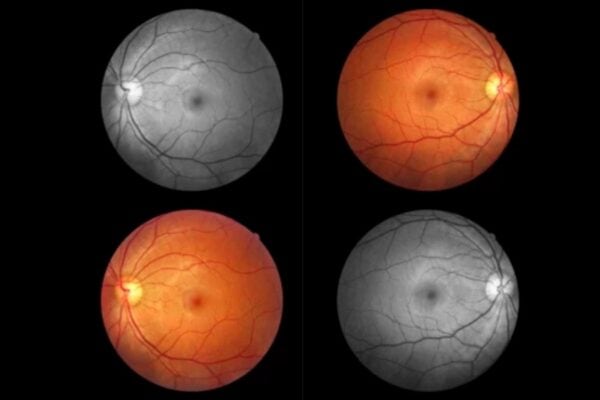
Analysis of the ‘fingerprint’ of blood vessels in the retina could make it possible for people to keep tabs on their cardiovascular health during routine eye tests.
About our data
-

Who can use it?
Researchers must go through our approval process to access the data.
-

How can I access it?
We make the data available to researchers around the world via our secure cloud-based platform.
-

Who are our participants?
Our 500,000 participants were recruited between 2006 and 2010, when they were 40 to 69 years old.


News


Professor Sir Rory Collins, CEO and Principal Investigator of UK Biobank, outlines the importance of sharing data responsibly and carefully with bright minds across the world to get results that will give us all a healthier future.

This unparalleled project aspires to measure up to 5,400 proteins in each of 600,000 samples including those taken from half a million UK Biobank participants.

“UK Biobank data is so vast, and so detailed. It has changed the way we do research in human genetics. We are beginning not only to understand the complex genetic basis of a whole variety of devastating human diseases, but also how to better use this genetic information to understand how to predict and treat these diseases.”
Professor Nicole Soranzo, Senior Group Leader at the Wellcome Sanger Institute