
UK Biobank is the biggest whole-genome dataset in the world.
This unprecedented wealth of genetic data will transform research into how our genes affect health and disease. Analyses have already resulted in novel genetic findings, such as for the prevention and treatment of obesity and advancement in drug discovery and development.
Genetic data at a glance
Genotyping and imputation
Around 850,000 genetic variants were directly measured, and more than 90 million variants were predicted using statistical methods.
-
 Current availability
- 500,000 participants

Whole exomes
The exome comprises only the DNA regions – about 2% of the entire genome – that provide the body with instructions for making proteins. Already, exome sequencing data has resulted in novel genetic findings, such as for the prevention and treatment of obesity.
-
Current availability
- 500,000 participants
Whole genomes
The complete genetic make-up of an individual. This will enable researchers to better understand the role of genetics for health outcomes and to advance drug discovery and development.
-
Current availability
- 500,000 participants
Telomere length
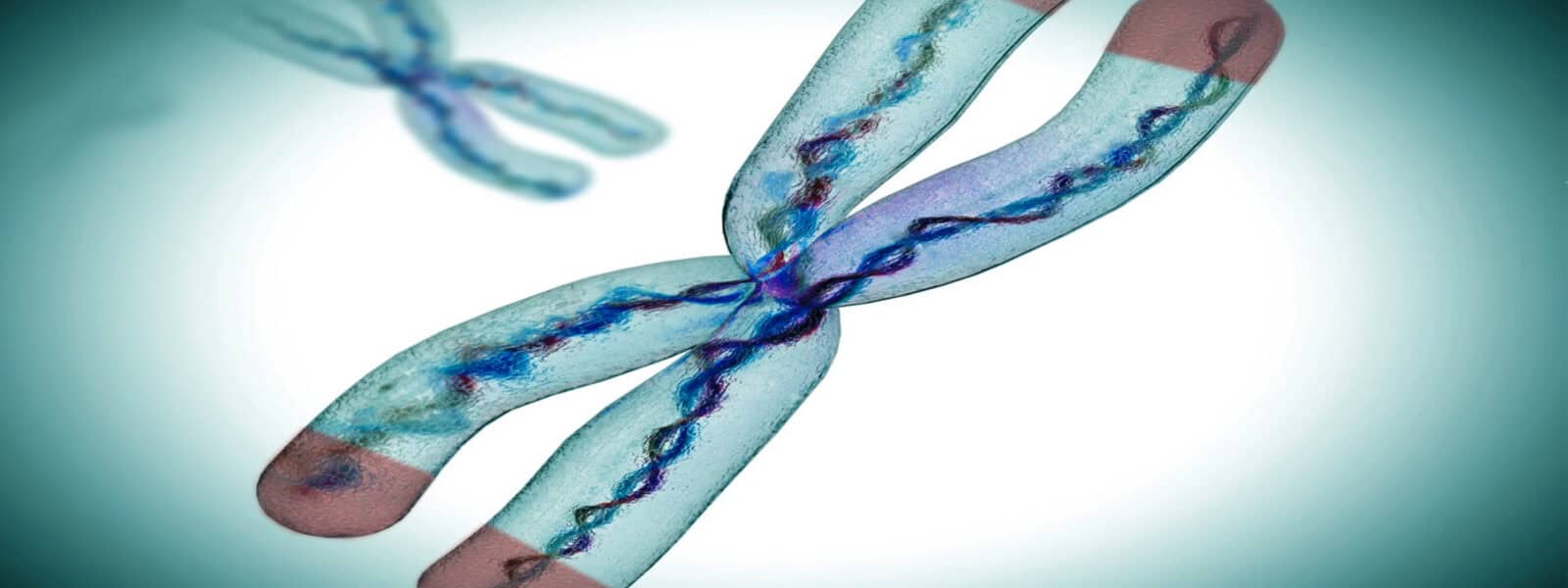
The length of the telomeres, repetitive DNA regions at the end of the chromosomes, is a marker of biological age. Measurement of telomere length helps the understanding of the causes of ageing and age-associated diseases to support the prevention and treatment of diseases of the heart, brain, bone and cancer.
-
Current availability
- 500,000 participants
- 20,000 participants with repeat biomarkers (collected about five years after first sample)
Access UK Biobank genetic data
Researchers can explore all genetic data on our data browser, Showcase.
Genetic data research stories
Read a selection of stories about how healthcare is being changed by discoveries made with genetic data.
DNA from 1,600 ancient people and 400,000 UK Biobank participants reveals why MS is more common among northern Europeans: they are more closely related to the ancient people in which some of the genetic risk factors for the disease emerged.
A unique 3D atlas constructed from UK Biobank participants’ heart scans reveals how certain shape variations increase heart disease risk.
Data from over 450,000 UK Biobank participants show the importance of considering family history alongside genetics before making decisions on invasive preventative surgeries.
Faulty gene in body’s iron regulation found to play a role in polycythemia vera, a rare blood cancer.
Explore our other data categories

Magnetic resonance images, bone-density scans, carotid artery ultrasound and more

Proteins, metabolites, infectious disease markers and other biomarkers

Linked electronic medical records, including hospital stays, cancer diagnoses and causes of death

Participants’ information on health and lifestyle collected via online or touchscreen questionnaires

Baseline data from physical exams, vision and hearing tests, activity monitor and more

Participants’ self-reported data on health and lifestyle

Derived data on participants’ environment, such as local air and noise pollution

“[Whole genome sequencing data] is a veritable treasure trove for approved scientists undertaking health research, and I expect it to have transformative results for diagnoses, treatments and cures around the globe.”
Professor Sir Rory Collins, Chief Executive and Principal Investigator of UK Biobank