

Results
-
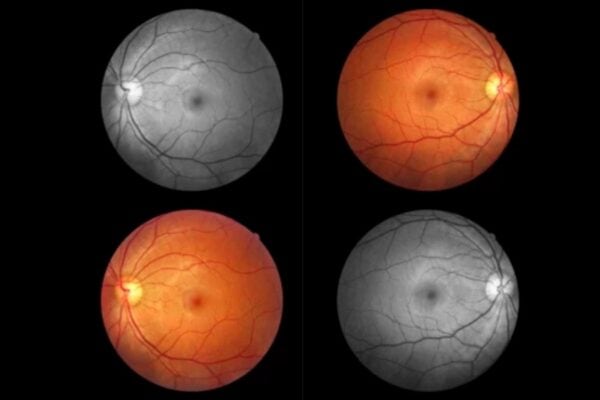
Analysis of the ‘fingerprint’ of blood vessels in the retina could make it possible for people to keep tabs on their cardiovascular health during routine eye tests.
-
DNA from 1,600 ancient people and 400,000 UK Biobank participants reveals why MS is more common among northern Europeans: they are more closely related to the ancient people in which some of the genetic risk factors for the disease emerged.
-
An automated algorithm that assesses heart-surrounding fat and predicts heart failure could one day help clinicians to better support patients.
-
Data from over 450,000 UK Biobank participants show the importance of considering family history alongside genetics before making decisions on invasive preventative surgeries.
-

Tiny airborne particles cause inflammation in the lungs, which can turn harmless mutated cells into cancerous tumours.
-
Algorithm that analyses smartwatch data detects minute movement changes many years before symptoms appear.
-
Data from 60,000 UK Biobank participants born around when sugar rationing ended suggest that restricting sugar during early years may have long-term benefits.


