
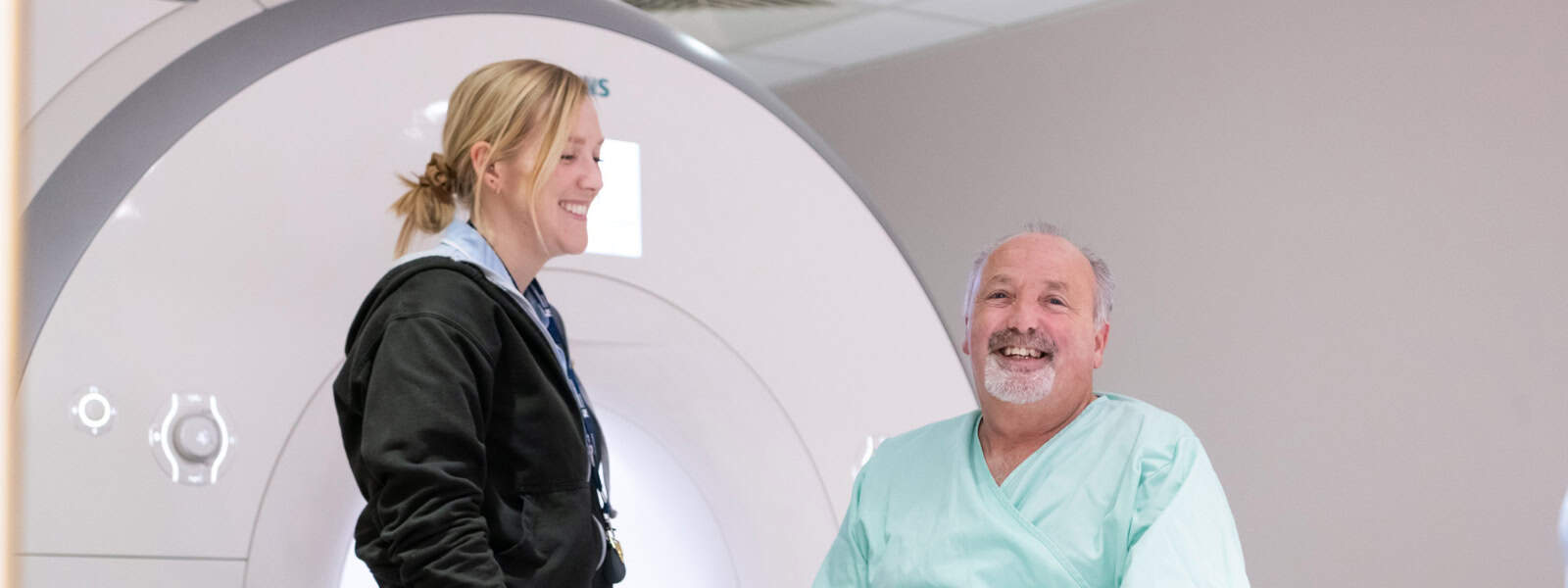
Our imaging project is the largest imaging study ever undertaken and it is transforming research into diseases like dementia, heart disease, arthritis and diabetes.
We are collecting scans of the brains, hearts, abdomens and bones of up to 100,000 of our volunteers, and asking up to 60,000 of them to return for repeat imaging 2-7 years later so that scientists can compare the first set of scans with the second.
Because of you, these imaging data are providing scientists with unprecedented insights into the health of half a million people. Our global community of approved researchers are combining these imaging data with other information, like your lifestyle habits and genetics, to understand how the diseases of ageing develop.
Take part

Be part of the world’s largest whole-body scanning project to transform the way we diagnose, prevent and treat our most chronic diseases.

Return for a repeat imaging visit to help provide researchers with information about how your body has changed over time.

If you are aged 65 or over and attending one of our imaging centres, we may ask you to wear a heart monitor to measure the rhythm of your heart.

Information about how to find us, parking, and travel expenses for your imaging visit.

More than 90,000 people have been imaged as part of our initial imaging project

More than 5,000 have returned for a second time as part of our repeat imaging project
About the project
UK Biobank’s imaging project is the result of a collaboration between the government-funded Medical Research Council (MRC), Wellcome, the British Heart Foundation (BHF), and Dementias Platform UK. Additional funding to re-scan 60,000 participants is being provided by the MRC, the company Calico, and the philanthropic Chan Zuckerberg Initiative (CZI).
Will I receive any feedback about my scans?
The scans we conduct are not intended to diagnose disease or find any particular abnormalities, and will not be routinely analysed by doctors or other specialists. The technicians (radiographers) who do the scans will be looking at the images to make sure of their quality, rather than looking for evidence of any health problems.
Research using imaging data

Researchers claim that people who live near major airports have poorer cardiac function so stricter noise limits for planes are urgently needed.
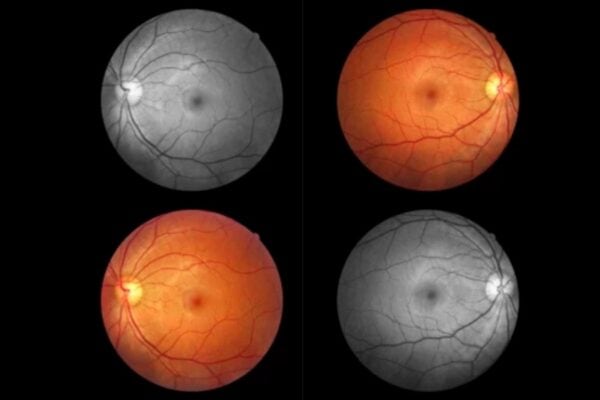
Analysis of the ‘fingerprint’ of blood vessels in the retina could make it possible for people to keep tabs on their cardiovascular health during routine eye tests.
First-of-its-kind study of more than 200 UK Biobank participants’ scans could help doctors to spot early heart failure in type 2 diabetes patients.
An automated algorithm that assesses heart-surrounding fat and predicts heart failure could one day help clinicians to better support patients.
News about the imaging project
As 2024 comes to an end, we’re wrapping up the year that was by celebrating some of our favourite moments from the last 12 months.
Scientists will use images from the world’s largest whole-body scanning study to see how people’s brains, hearts, abdomens and bones have aged and accelerate research into the diagnosis, treatment, and prevention of our major diseases.
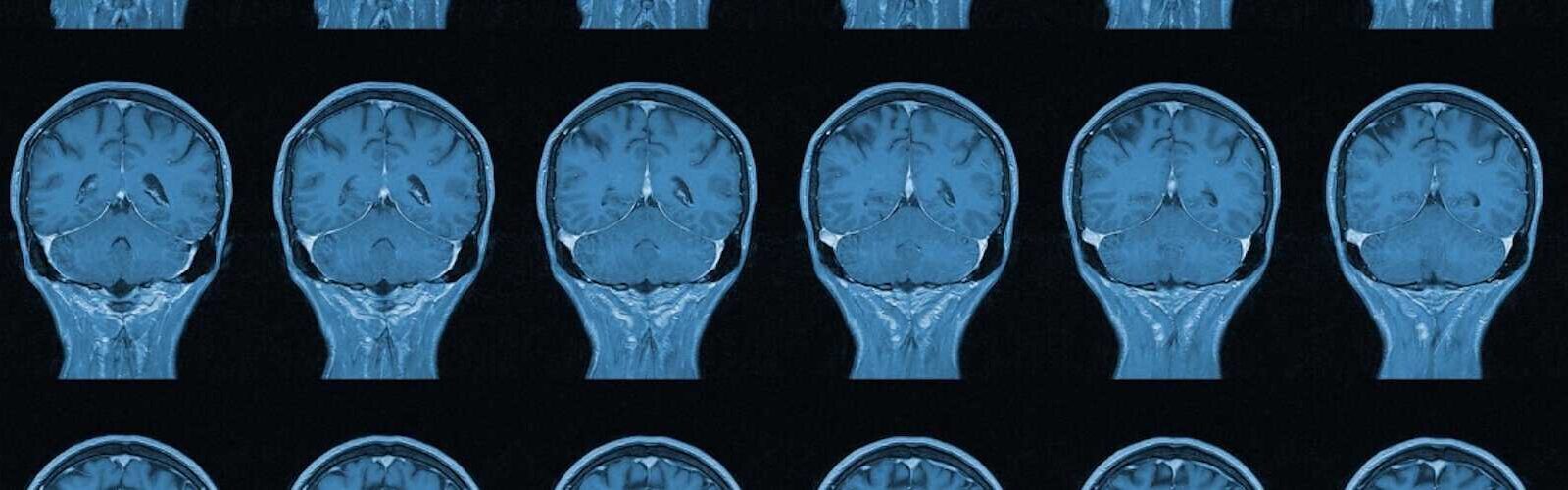
Most large studies typically scan just a single body part of a few thousand people, so this project is truly unique…not only are we working on a vastly bigger scale, but we record images of multiple parts of each person’s body, so you can study the whole person and see how it all relates.
Professor Sir Rory Collins, Chief Executive and Principal Investigator of UK Biobank