
Can you help doctors prevent stroke and dementia?
If you are aged 65 and over and attending one of our imaging centres, you may be asked if you would help us learn more about the impact that heart rhythm disturbances, such as atrial fibrillation (AFib), may have on your cardiovascular health and cognitive function.
If you agree, we would ask you to wear a special heart monitor for two weeks.
Why? Because a short one-off assessment (for example with a routine electrocardiogram/ECG) is unlikely to pick up intermittent arrhythmias (heart rhythm problems which come and go).
AFib is common, is often intermittent and symptom free, and may lead to stroke, heart failure and cognitive decline.
Vital research to advance our knowledge of abnormal heart rhythm
British Heart Foundation Professor Barbara Casadei from Oxford University explains why the heart monitor study is so important in this video.

28% of all deaths in the UK are caused by heart and circulatory diseases

The monitor
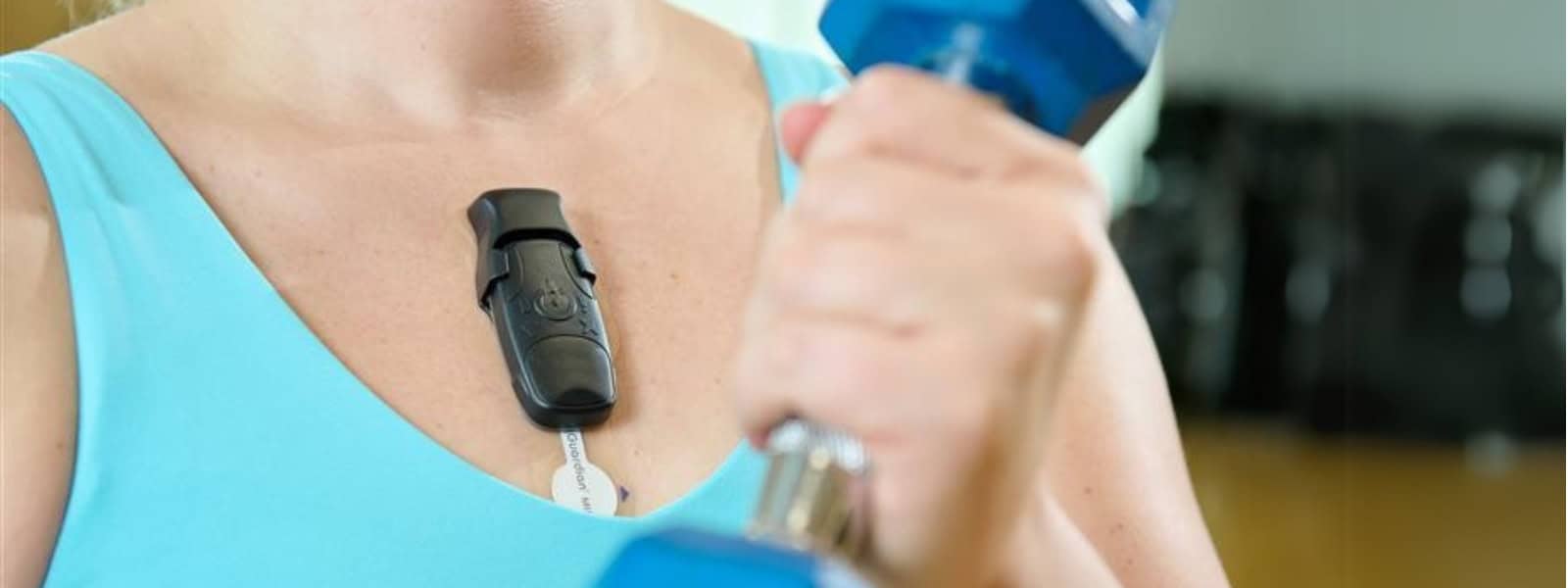
The heart monitor we use is known as the BodyGuardian® MINI (pictured) and is provided by a company called Preventice Technologies.
The monitor is waterproof and can be safely submerged in water as deep as 3 feet, so it can be worn whilst showering, bathing and swimming, and should not interfere with day to day activities.
The monitor is wireless, about 17cm long and weighs just 35g. It is held on by a special adhesive, so some men may require a small area of chest hair to be shaved.
How to use the monitor
If you are taking part, watch the heart monitor instruction video to help attach your monitor.
Why is this open only to imaging project participants?
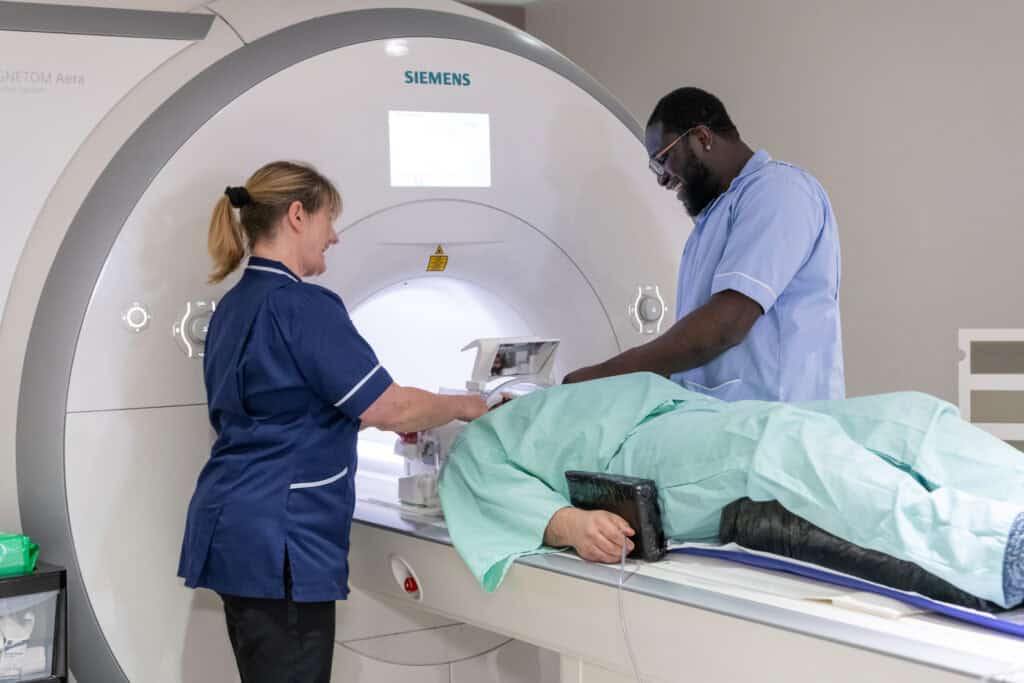
The UK Biobank Imaging Study is ideally suited to undertake this important work.
This is because together with the data you have already provided about your health, information from heart and brain scans, which are undertaken at the assessment, will provide vital data to advance our understanding of the impact of intermittent arrhythmias on heart and brain health.
Blood samples provided previously will also advance our knowledge of genetic determinants of abnormal heart rhythm.
